
Western Australia's Next Gold Discovery
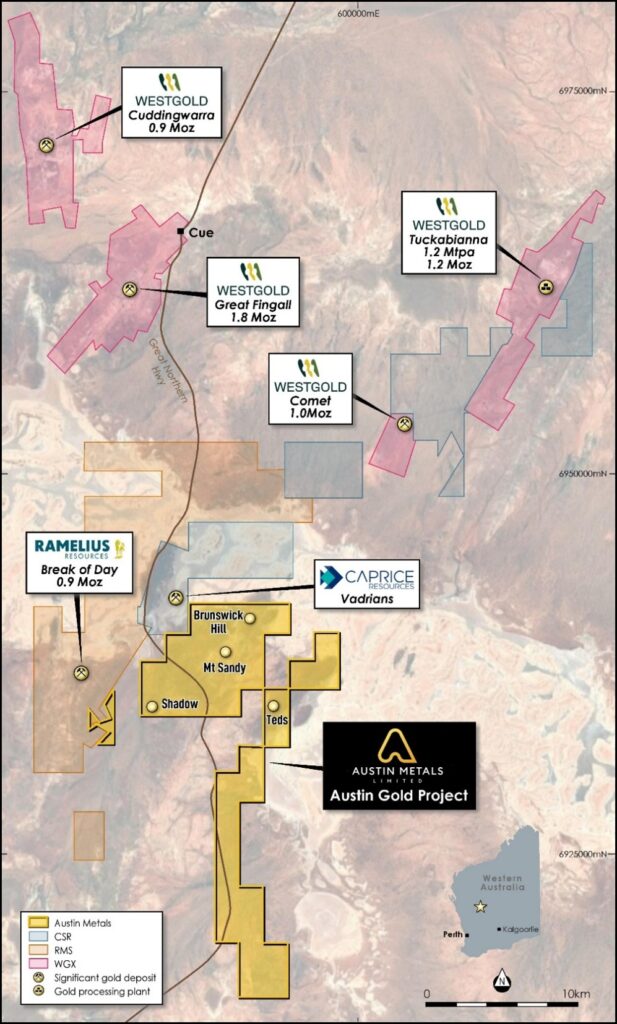
The Austin Gold Project is Austin Metals Limited's flagship gold exploration asset, strategically located near the historic mining town of Cue in the heart of Western Australia's renowned Murchison Goldfields—one of Australia's most prolific gold-producing regions.
Covering approximately 111 km² of highly prospective greenstone terrain, the Project occupies a commanding position within a district that hosts several significant gold operations and discoveries. The tenure is adjacent to Ramelius Resources' Cue Gold Project and borders Caprice Resources' Island Gold Project, including the rapidly emerging Vadrians Gold System, highlighting the exceptional geological potential of the region.
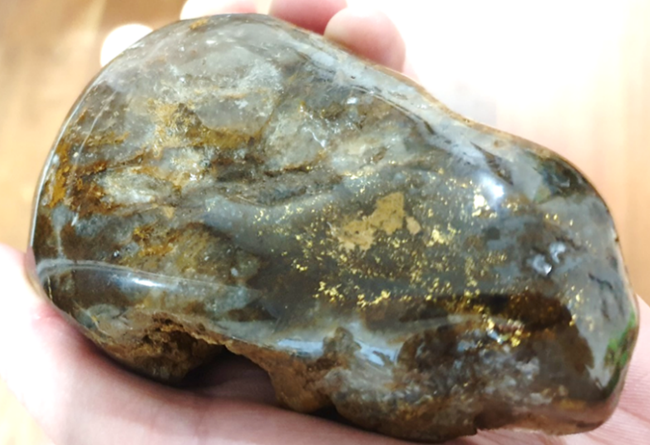
Austin's exploration strategy is focused on discovering structurally controlled, Banded Iron Formation (BIF)-hosted gold systems together with shear-hosted gold mineralisation. Through the integration of high-resolution geophysics, detailed geological mapping, drone imagery, structural interpretation and multi-element geochemistry, the Company has identified a pipeline of compelling drill-ready targets across the project.
Brunswick Hill
Brunswick Hill represents the Company's highest-priority exploration area, where more than 12 kilometres of mapped BIF occur within the Northern Zone. Recent exploration has defined five priority gold target areas along approximately 3 kilometres of prospective BIF stratigraphy, much of which remains largely untested by drilling.
The targets exhibit geological characteristics commonly associated with significant BIF-hosted gold deposits in the Cue-Mt Magnet district, including favourable chert-magnetite BIF, intersecting regional structures, oxidised quartz-sulphide veining and coincident gold-pathfinder geochemistry. Current geological interpretation also suggests the lower, or footwall, BIF position remains largely untested, presenting an exciting exploration opportunity.
Mt Sandy
Located approximately two kilometres southwest of Brunswick Hill, Mt Sandy hosts known gold mineralisation associated with shear-hosted quartz-carbonate-sulphide veining within mafic rocks. Previous drilling has defined approximately 250 metres of continuous mineralisation, which remains open in multiple directions.
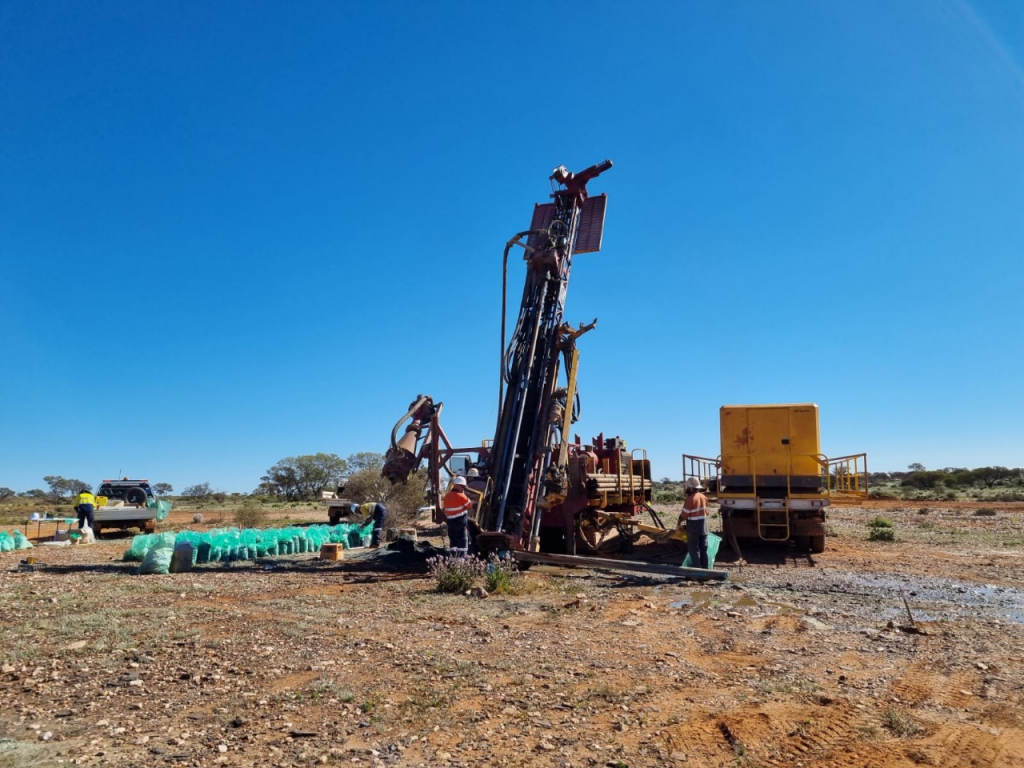
Recent RC drilling has targeted extensions to the known mineralised system while testing structurally favourable positions considered prospective for higher-grade gold mineralisation at depth.
A Systematic Exploration Strategy
Austin Metals is applying modern exploration techniques to a highly prospective but underexplored land package. By combining geological interpretation with advanced geochemistry, structural modelling and targeted drilling, the Company is systematically advancing a growing portfolio of gold targets.
Investor Centre
Access ASX announcements, corporate governance documents, board presentations and all investor resources for Austin Metals Limited.
Two Prospective WA Projects
AYT Quarterly Activities Report
30 June 2026
Board & Management
An experienced team with deep expertise in mining, exploration, and corporate governance across Australia and internationally.

Mining Engineer with over 20 years’ operational and executive experience across Australia, West Africa and Europe.

Thirty years in Australian mining, specialising in gold, copper and nickel exploration and development.
Respected Western Australian businessman with over 30 years in mining operations, drilling and blasting.

CPA with extensive experience in ASX reporting, investor relations, IPOs, mergers and capital raising.